

Why You Need Broccoli: The NRF2 Breakthrough for Autoimmune Inflammation
- Raluca Tiganila
- Mar 2
- 3 min read

Updated: Aug 6
Chronic inflammation plays a central role in many autoimmune diseases, causing ongoing tissue damage and discomfort. Understanding how to naturally reduce inflammation is key for anyone focused on health and nutrition. Broccoli is more than just a vegetable; it contains a powerful compound called sulforaphane that activates NRF2, a master regulator of the body’s antioxidant defenses. This activation helps control inflammation and supports mitochondrial health, which is crucial for managing autoimmune conditions.
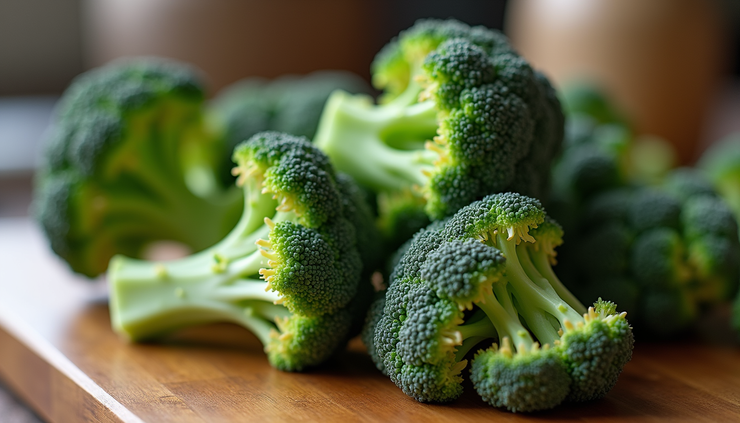
How Broccoli Supports Autoimmune Disease Through NRF2 Activation
Broccoli contains glucoraphanin, a precursor to sulforaphane. When consumed, glucoraphanin converts into sulforaphane, which activates the NRF2 pathway. NRF2 controls the production of antioxidants and detoxification enzymes that protect cells from oxidative stress. Oxidative stress often worsens autoimmune disease by triggering inflammatory pathways.
In autoimmune disease, inflammation is driven by NF-κB, a transcription factor that turns on genes producing inflammatory cytokines like TNF-α and IL-1β. When mitochondria become dysfunctional, oxidative stress increases, activating the NLRP3 inflammasome. This complex amplifies immune signaling and tissue damage, worsening conditions such as rheumatoid arthritis, ulcerative colitis, and chronic kidney disease.
NRF2 activation by sulforaphane counters this process by:
Increasing glutathione production, a key antioxidant
Boosting detoxification enzymes like NQO1 and glutathione S-transferases
Enhancing antioxidant enzymes such as superoxide dismutase and catalase
By lowering oxidative stress, NRF2 reduces the triggers that activate NF-κB and NLRP3, helping to calm inflammation.
The Benefits of Sulforaphane for Autoimmune Inflammation
Research shows sulforaphane benefits autoimmune disease by targeting NRF2 and inflammation pathways:
In ulcerative colitis and liver disease models, sulforaphane reduces inflammation and improves mitochondrial function.
In chronic kidney disease, NRF2 activation slows the progression of tissue damage.
In aging muscles and hearts, restoring NRF2 improves function and resilience.
These findings highlight how sulforaphane and broccoli can be natural ways to reduce inflammation and support long-term health.
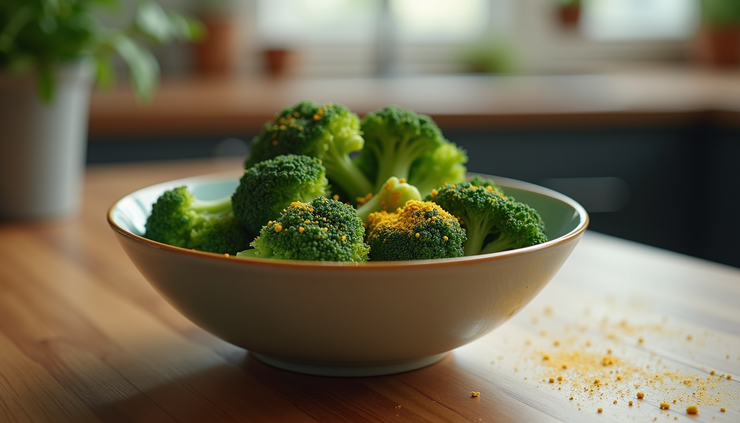
How Broccoli Reduces Inflammation: Preparation Matters
One important factor for sulforaphane benefits is how broccoli is prepared. Broccoli contains an enzyme called myrosinase, which helps convert glucoraphanin into sulforaphane. Cooking broccoli at high heat destroys myrosinase, reducing sulforaphane production.
Adding mustard powder, which contains active myrosinase, can increase sulforaphane absorption more than fourfold. This simple trick makes broccoli a more effective tool for NRF2 activation and inflammation control.
To maximize benefits:
Lightly steam broccoli instead of boiling or microwaving it for long periods.
Add mustard powder or raw radish to meals containing broccoli.
Eat some raw broccoli to preserve myrosinase activity.
These practical steps help unlock the full potential of broccoli and autoimmune disease support.
NRF2 and Inflammation: What You Should Know
NRF2 and inflammation are closely linked. When NRF2 is activated, it shifts the body’s balance toward antioxidant defense and away from harmful inflammation. This is especially important in autoimmune disease, where the immune system mistakenly attacks healthy tissue.
By supporting NRF2 activation through sulforaphane-rich foods like broccoli, you can:
Protect mitochondria from damage
Reduce inflammatory cytokine production
Lower oxidative stress that triggers immune overactivation
This makes broccoli a strategic nutritional choice for anyone looking to manage autoimmune symptoms naturally.
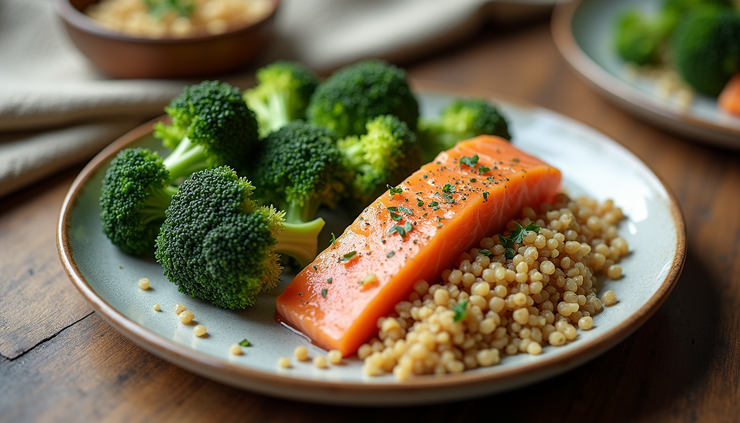
Practical Tips for Including Broccoli in Your Diet
To harness the sulforaphane benefits and support NRF2 activation, try these tips:
Include broccoli in meals at least 3 times a week.
Combine cooked broccoli with a small amount of mustard powder or raw cruciferous vegetables.
Use light steaming to preserve enzymes.
Experiment with broccoli sprouts, which have higher glucoraphanin levels.
Pair broccoli with healthy fats like olive oil to improve nutrient absorption.
These simple habits can make broccoli a powerful part of your natural inflammation-reducing strategy.
If you’re ready to stop chasing symptom relief and start addressing the root drivers of your autoimmune condition, this is your moment to take the next step. Inside the Autoimmune Reset Program, you’ll learn how to calm inflammation at its source by targeting oxidative stress, supporting NRF2 activation, restoring gut integrity, and stabilizing mitochondrial function, the very mechanisms that fuel chronic immune activation. This is not about quick fixes or suppressing your immune system. It’s about understanding your biology and working with it strategically. If you want a structured, science-based approach to healing, not just more temporary solutions, visit my website today and explore how the Autoimmune Reset Program can help you reclaim control of your health.


Comments